
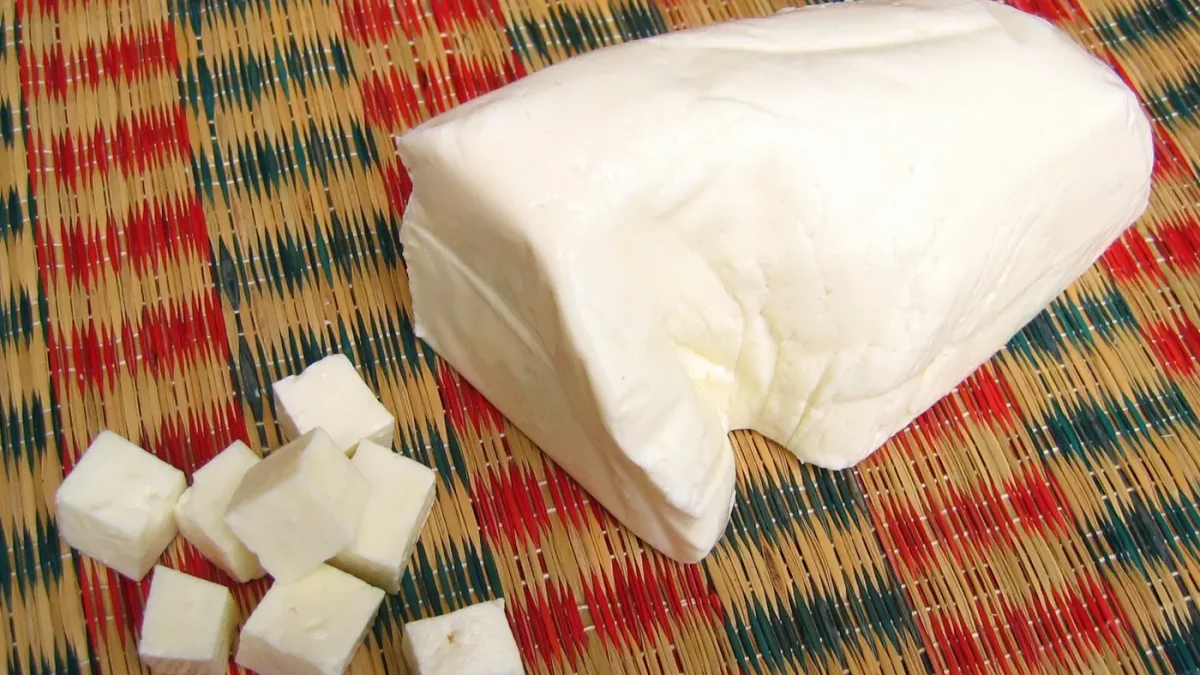
Featured image: Panir Paneer Indian cheese fresh.jpg by Sonja Pauen – Stanhopea, CC BY 2.0 de, via Wikimedia Commons
Key points
- Products licensed under the ‘Analogue in Dairy Context’ category would have to stop using the word ‘paneer’ in their names, labels or marketing.
- The draft is open for objections and suggestions for 60 days from publication in the Official Gazette.
- Analogue paneer is typically made with vegetable fats.
The news
FSSAI has proposed a draft amendment to the Food Safety and Standards (Prohibition and Restrictions on Sales) Regulations, 2011, to restrict products not derived from milk from being sold as ‘paneer’, according to a PIB release dated 24 September 2026.
What changes
Products licensed under the ‘Analogue in Dairy Context’ category would have to stop using the word ‘paneer’ in their names, labels or marketing.
Have your say
The draft is open for objections and suggestions for 60 days from publication in the Official Gazette.
For consumers
Analogue paneer is typically made with vegetable fats. Until the rules are final, read the label and ingredient list.
About this report: Thali Times summarises the original reporting and official releases linked below. We have not added any facts or quotes beyond those sources.
Why this matters for your kitchen
Food regulation, GI tags and exports can seem far from daily cooking, but they shape what reaches your plate: how packaged food is labelled, how genuine a regional product is, and how much farmers earn. GI tags, for example, are granted under the Geographical Indications of Goods (Registration and Protection) Act, 1999 and help buyers identify authentic regional produce. FSSAI drafts are open for public comment, so consumers can take part too.
Related reading
- Gujarat’s Unjha cumin and Unjha fennel get GI tags
- GI-tagged Mithila Makhana ships to Australia by sea for the first time
- FSSAI widens food safety checks to cloud kitchens and dark stores
Frequently asked questions
What is analogue paneer?
A paneer-like product made from constituents not derived from milk.
Is the rule final?
No, it is a draft open for comments.