Bisi Bele Bath recipe: Karnataka’s classic, step by step
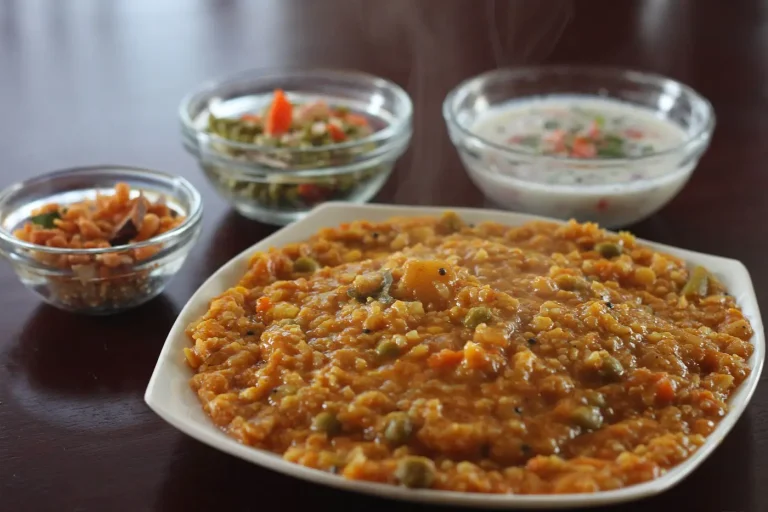
Bisi bele bath (literally 'hot lentil rice') is a one-pot Karnataka dish of rice, toor dal, vegetables and tamarind, with its own fragrant spice powder.
Regional Indian recipes, tested methods and traditional techniques, with the history of each dish.
Bisi bele bath (literally 'hot lentil rice') is a one-pot Karnataka dish of rice, toor dal, vegetables and tamarind, with its own fragrant spice powder.
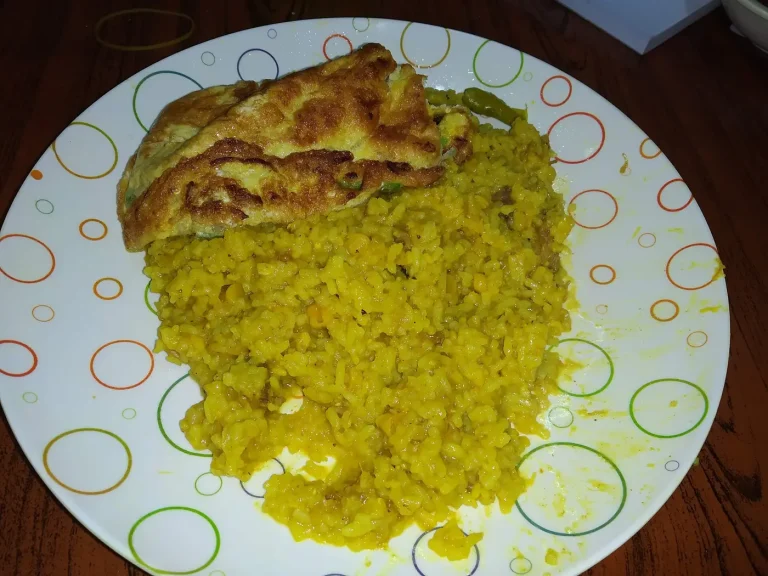
Khichdi, rice and lentils cooked together, is India's most universal comfort food. It is a weaning food for babies, a light meal when you are unwell, and a festive offering in many regions.
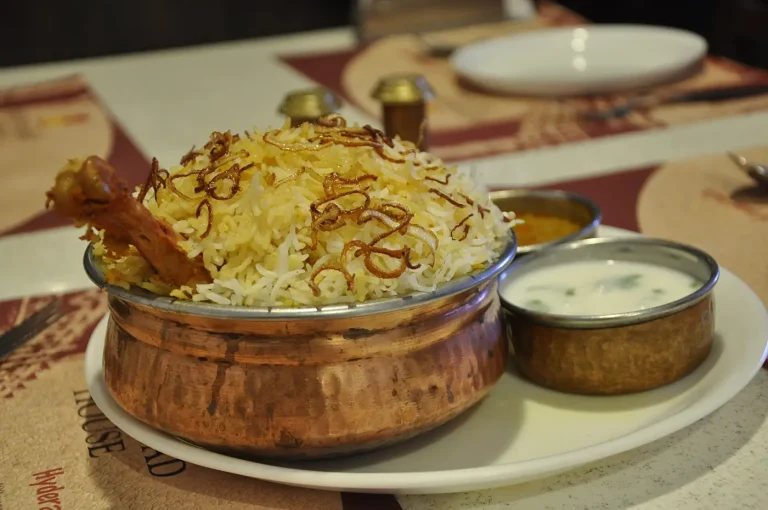
Hyderabadi biryani is cooked by the dum method: rice and a spiced marinade are layered and sealed to finish in their own steam. This vegetable version follows the same technique.
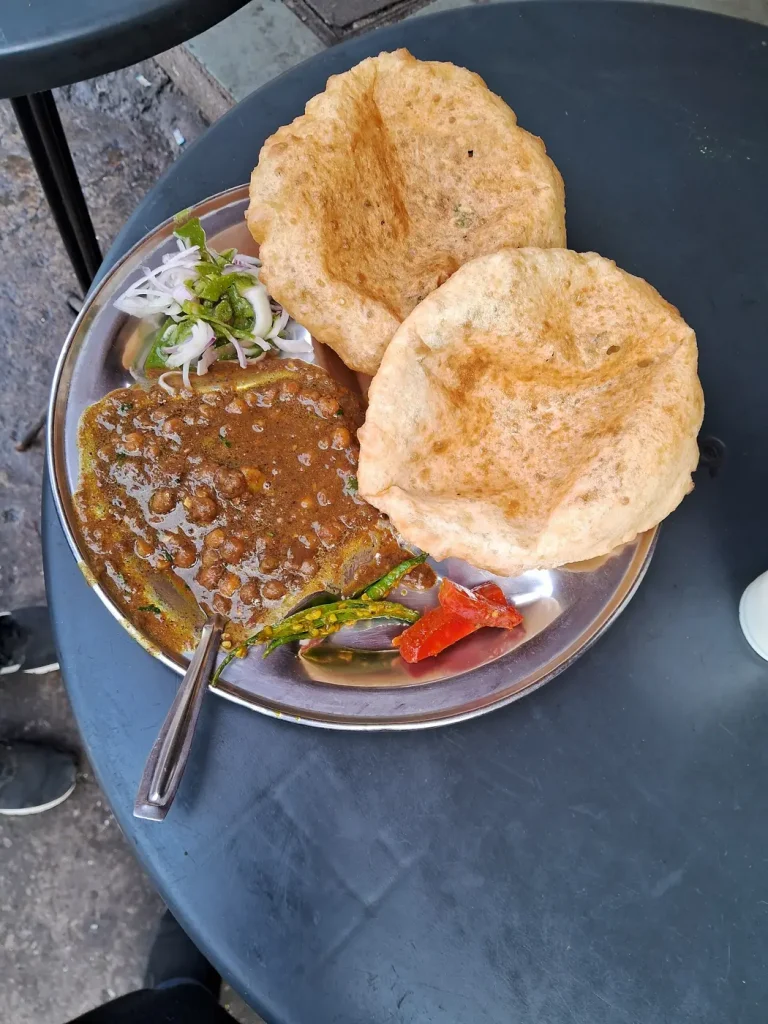
Chole bhature, spicy chickpeas with large fried breads, is a Delhi and Punjab favourite, especially for weekend brunch.
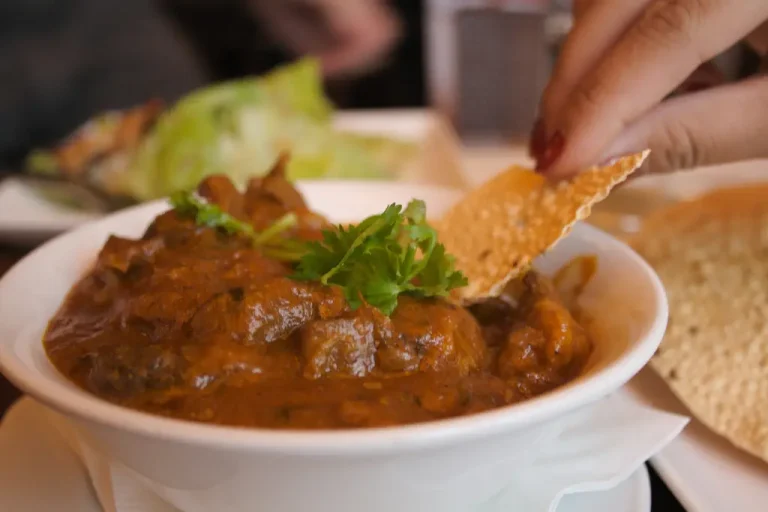
Rogan josh is a slow-cooked Kashmiri lamb or mutton curry coloured red by Kashmiri chillies and ratanjot, flavoured with fennel and dry ginger. Kashmiri Pandit kitchens make it without onion or garlic.
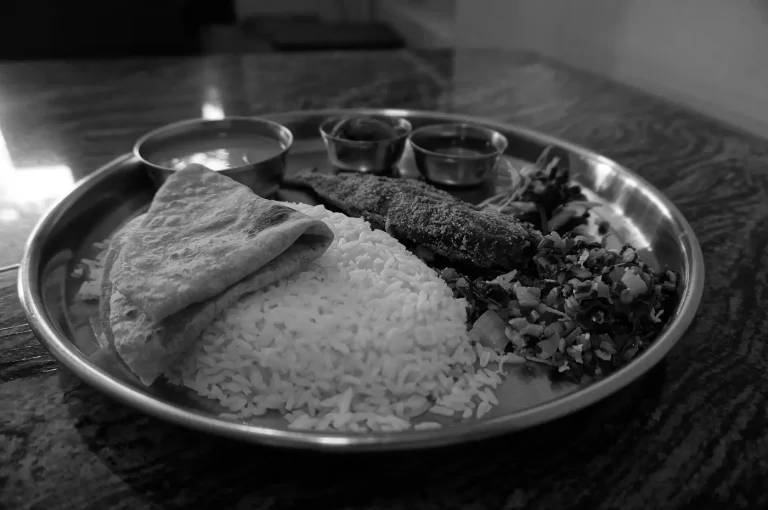
Goan fish curry, the heart of Goa's daily xit-kodi (rice and curry), is a coconut-and-red-chilli curry soured with kokum or tamarind.
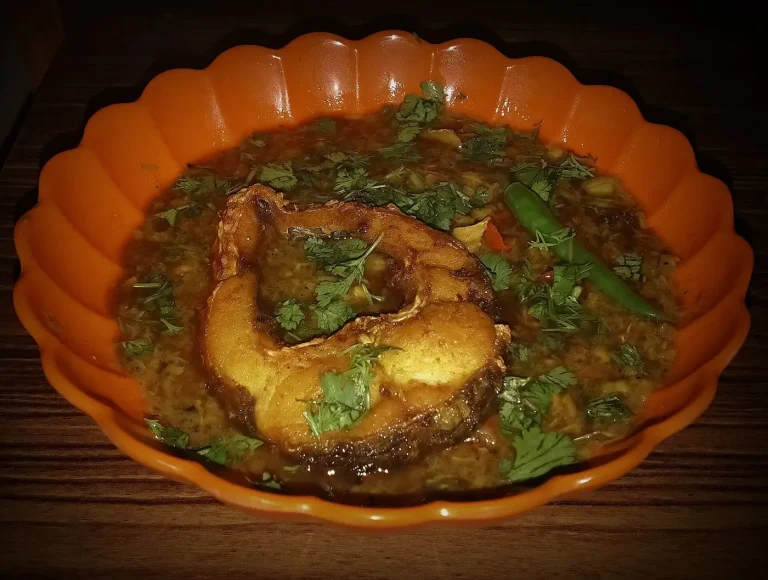
Masor tenga is a light, sour Assamese fish curry, made tangy with tomatoes, lemon or elephant apple (ou tenga). It is a summer favourite, eaten with rice.
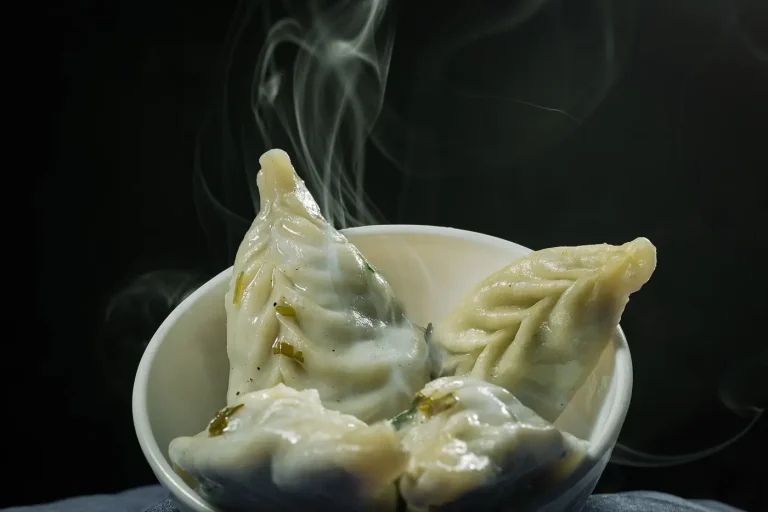
Momos are steamed dumplings brought to the Himalayas from Tibet. They are a staple in Sikkim, Darjeeling and the North East, and now one of India's most popular street foods.
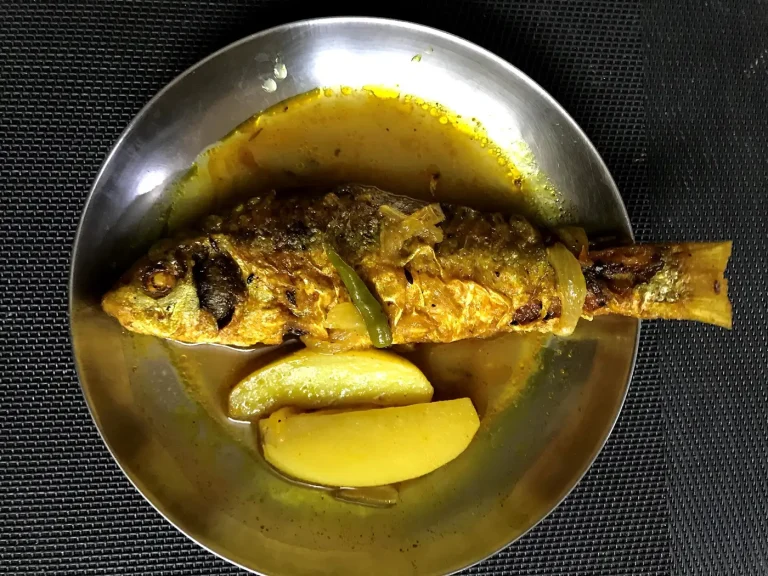
Macher jhol is a light Bengali fish curry with potatoes, cooked in mustard oil with turmeric and panch phoron. It is everyday home food in Bengal, eaten with rice.
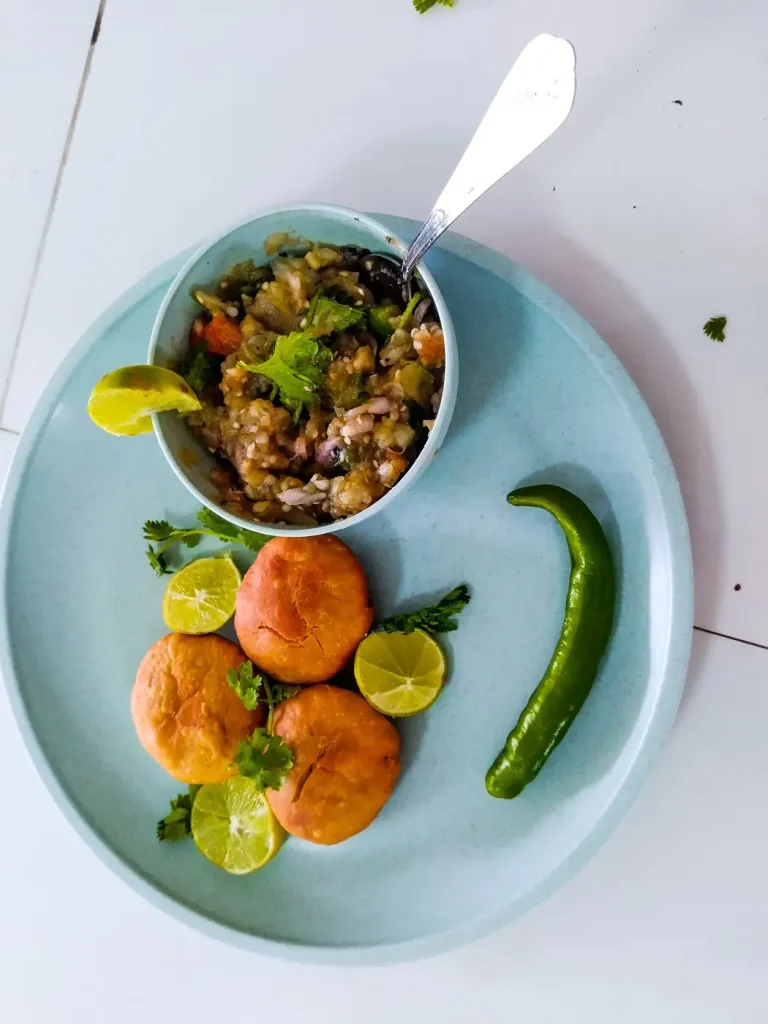
Litti chokha is Bihar's best-known meal: wheat dough balls stuffed with spiced roasted gram flour (sattu), baked or roasted on coals, and served with chokha, a smoky mash of brinjal, tomato and potato.
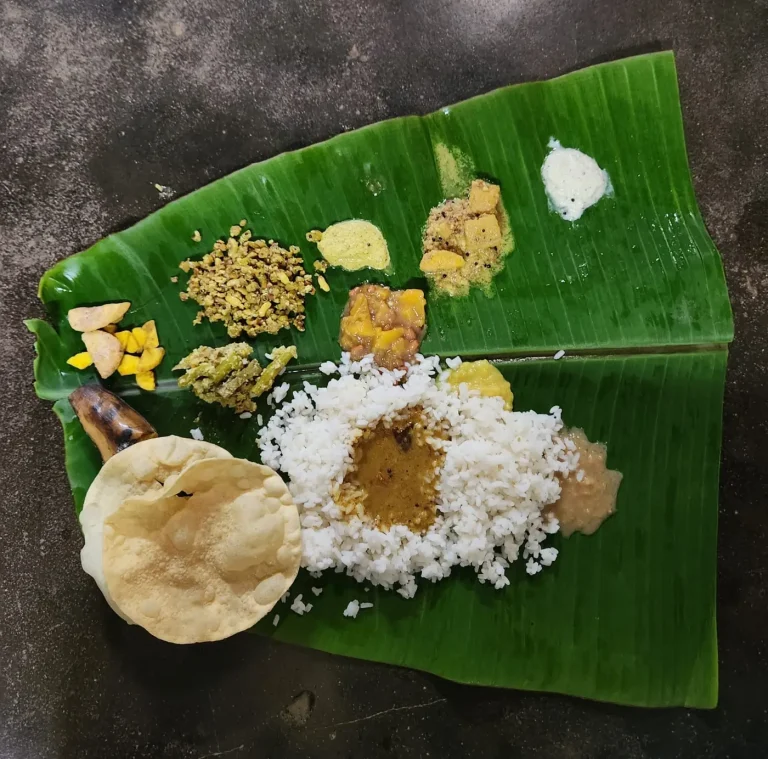
Avial is a mixed-vegetable dish in a coconut-and-yogurt paste, finished with raw coconut oil and curry leaves. It is an essential part of the Onam sadya.
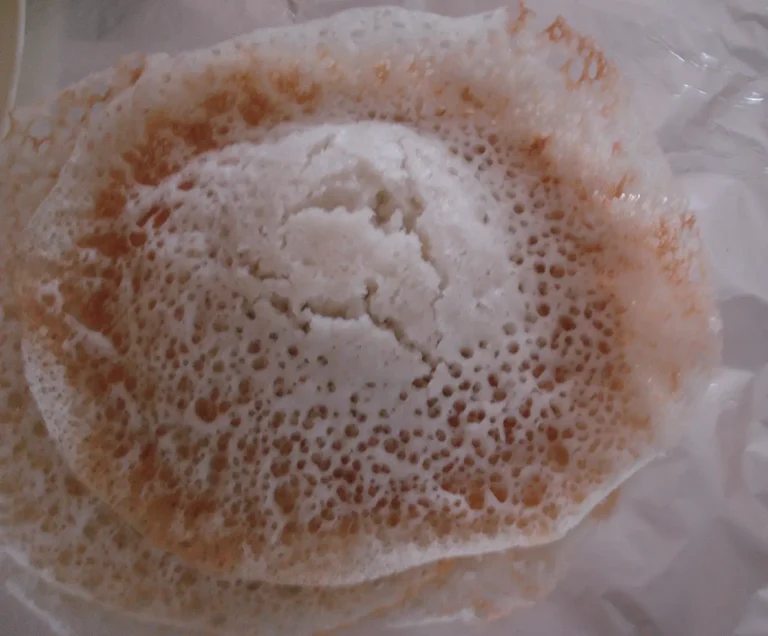
Appam are lacy fermented rice-and-coconut pancakes with a soft centre, cooked in a small curved pan (appachatti). In Kerala they are eaten with a mild coconut-milk stew.